Is The Office the Best Office Sitcom for You?
Explore why this office sitcom remains so popular, from mockumentary humor to character arcs, seasonal changes, and streaming tips.
If you want an office sitcom that is easy to start but not totally lightweight, The Office (U.S.) is still a strong pick. It works best if you enjoy awkward pauses, workplace absurdity, and characters who become warmer the longer you spend with them. If you hate cringe comedy or need a fast-moving plot every episode, it may take a few tries before it clicks.
What Is The Office?
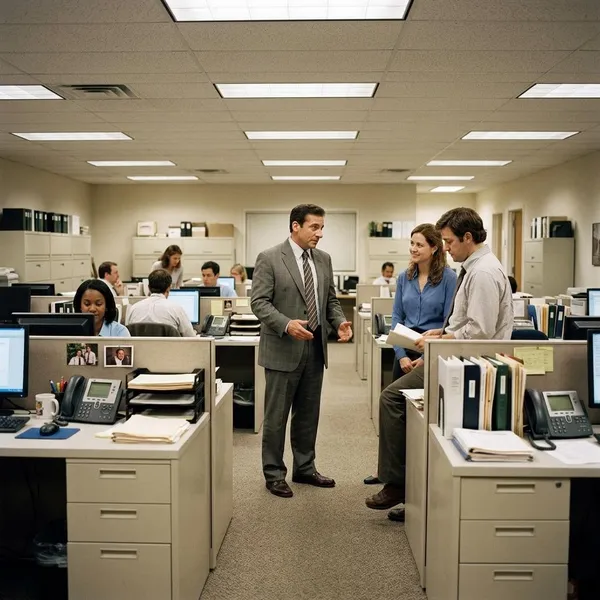
The Office is a mockumentary sitcom about the employees of Dunder Mifflin, a fictional paper company in Scranton, Pennsylvania. The setup is intentionally ordinary: sales calls, staff meetings, birthday parties, office gossip, and a boss who badly wants everyone to like him.
A mockumentary about a paper company
The show pretends a documentary crew is filming everyday life inside Dunder Mifflin. That makes the dull paper-company setting part of the joke: the business is plain, but the people treat small decisions as if they matter enormously.
This format also gives the comedy a sharper edge. Instead of a laugh track telling you what is funny, the camera catches hesitation, embarrassment, and silent reactions. A bad meeting can become funny simply because nobody knows where to look.
Everyday life at the Scranton branch
Most of the series stays close to the Scranton branch, which makes the office feel familiar very quickly. The reception desk, conference room, break room, annex, and sales floor become places where tiny conflicts build up over years.
That closed setting matters if you like comfort shows. A casual viewer can drop into an episode for the jokes, while a long-term viewer starts noticing how seating arrangements, routines, and grudges shape the whole workplace.
Fictional workers filmed by a documentary crew
The characters are fictional, but the documentary style makes them feel more exposed than characters in a standard sitcom. They give interviews, react to the camera, and sometimes reveal feelings they would not admit to coworkers.
That is especially useful for characters like Jim, Pam, Michael, and Dwight. You often understand the private thought behind the public behavior, which keeps the show from becoming only a string of office jokes.
What Happens in The Office?
The main story follows a group of coworkers trying to get through normal workdays while their relationships, jobs, and frustrations slowly change. Some episodes are built around one chaotic workplace event; others quietly move long-term character arcs forward.
- Episode by episode: bad meetings, awkward parties, office schemes, pranks, and misunderstandings.
- Across seasons: romance, promotions, departures, new bosses, and changing friendships.
- Emotional hook: the office starts as a ridiculous place to work, then becomes a shared history for the characters.
Michael Scott's plans create workplace chaos
Michael Scott is the regional manager, and many early episodes revolve around his need to be admired. He wants to be funny, generous, inspiring, and beloved, but he often creates the exact discomfort he is trying to avoid.
The useful thing to know before watching is that Michael is not written as a smooth "bad boss" caricature. He can be selfish and inappropriate, but he is also lonely and desperate for approval. If you can handle that tension, his worst moments become easier to watch because the show usually gives him some human context.
Jim and Dwight turn rivalry into endless pranks
Jim and Dwight give the series one of its most reliable comic engines. Jim is bored and observant; Dwight is intense, loyal to rules, and strangely proud of his own seriousness.
The pranks work because Dwight treats them like real attacks on his status. Over time, though, the rivalry becomes less one-note. If you are watching casually, the pranks are easy laughs; if you watch in order, you start seeing a weird kind of familiarity and respect underneath them.
Jim and Pam's friendship grows into romance
Jim and Pam's relationship gives the show its softer center. Their early connection is built through small moments: shared jokes, looks across the room, and the feeling that they understand the office's absurdity in the same way.
Jobs and relationships shift as the company changes
Dunder Mifflin changes more than the premise first suggests. New hires arrive, people leave, managers change, and corporate pressure affects the branch. Those shifts stop the show from being only "another strange day at work."
If you mainly want the funniest stretch, many viewers focus on the middle seasons. If you care about where everyone ends up, the later changes matter more, even when the tone is less consistent.
What Makes The Office Funny?
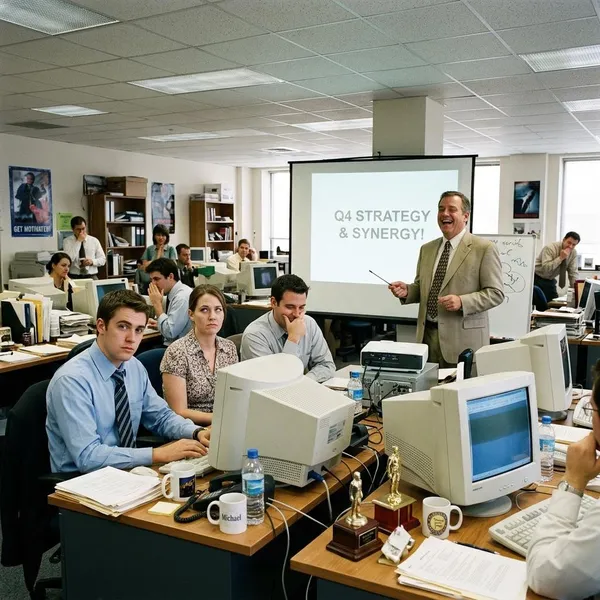
The Office is funny because it lets uncomfortable moments breathe. It does not rush every joke into a punchline. Sometimes the laugh comes from a pause, a stare, a failed attempt at confidence, or the awful realization that nobody in the room can escape the conversation.
The humor is also very character-based. Michael creates chaos because he wants affection. Dwight escalates because he craves authority. Jim jokes because he is bored. Angela wants order, Kelly wants drama, Stanley wants peace, and Kevin often seems to be living in his own version of the office.
Awkward moments that last a little too long
A failed joke in The Office is rarely allowed to disappear quickly. Michael says something wrong, the room freezes, and the camera stays long enough for the viewer to feel the social damage.
Camera glances that let viewers in on the joke
The camera glances are one of the show's cleanest tricks. Jim's look to the lens often says what the viewer is already thinking, while Pam's reactions can make a scene feel more honest than the dialogue around her.
These moments make the audience feel like another silent coworker in the room. That is why even a small reaction can be funnier than a written punchline.
Small office problems blown out of proportion
A birthday cake, a seating issue, a memo, a missing item, or a party theme can become a full office crisis. The joke is not only that the problem is small; it is that everyone has just enough pride, boredom, or insecurity to make it bigger.
Clashing personalities with moments of warmth
The series would be harder to rewatch if it were only mean or chaotic. What keeps it from feeling cold is the occasional softness between people who spend too much time irritating each other.
Coworkers compete, gossip, ignore boundaries, and embarrass themselves, but they also celebrate milestones and sometimes show up for one another. That mix of irritation and attachment is what makes the office feel lived-in rather than simply ridiculous.
The Office Seasons at a Glance
The Office ran for nine seasons, and the tone changes noticeably. Season 1 is shorter, drier, and closer to the British version's discomfort. From season 2 onward, the U.S. series becomes warmer, more confident, and more attached to its ensemble.
- Full experience: start with season 1 and treat it as a short setup.
- Faster hook: try season 2 before deciding the show is not for you.
- Most praised run: seasons 2 to 7 are the safest stretch for many viewers.
- Closure: seasons 8 and 9 are more uneven, but they finish the character stories.
Seasons 1 to 3 introduce the team and its rivalries
Seasons 1 to 3 establish the branch, the mockumentary rhythm, and the relationships that drive the show. Season 1 can feel rough because the humor is colder and the characters are still settling into their U.S. versions.
By seasons 2 and 3, the balance improves. Michael is still embarrassing, Jim and Dwight's rivalry is clearer, and Jim and Pam's connection gives the show more emotional pull. If the first few episodes feel too stiff, this is the point where many viewers change their mind.
Seasons 4 to 7 deepen relationships and shake up work
This is the stretch many fans think of first when they talk about the classic version of The Office. The ensemble is stronger, the relationships have more history, and the workplace changes enough to keep the show moving.
It is also a good range for rewatching. You get familiar character dynamics without needing to relearn the show's rhythm, and the episodes can move from silly office chaos to surprisingly sincere moments without feeling like a different series.
Seasons 8 to 9 bring new leadership and closure
Seasons 8 and 9 are more divisive because the leadership dynamic changes and the show loses some of its earlier balance. They are not the best place to sample the series for the first time.
They do have value if you have grown attached to the characters. The later episodes deal more directly with change, endings, and what the documentary has meant to the people being filmed.
Short Office Webisodes to Try
The Office also has short webisodes, which are best treated as bonus material rather than required viewing. They are useful once you already like the show's side characters and want smaller stories that still feel like they belong inside Dunder Mifflin.
The Accountants follows a missing-money mystery
The Accountants focuses on Angela, Oscar, and Kevin as they deal with missing money. It is a good extra if you like the accounting department's very different personalities: Angela's control, Oscar's competence, and Kevin's strange logic.
The scale is small, which actually suits the show. A minor office problem becomes a serious investigation because the people involved make it serious.
The Outburst follows coworkers investigating Oscar's anger
The Outburst turns Oscar's sudden anger into a mini office mystery. The humor comes from coworkers trying to explain something they do not fully understand, which is exactly the kind of gossip-driven situation the main series handles well.
Choose this one if you enjoy side-character dynamics more than major plot movement. It adds flavor, not essential story.
Where to Watch The Office
Streaming availability changes by country, but U.S. viewers should usually check Peacock first for The Office. If you are outside the United States, use current local listings rather than assuming the same service has the rights where you live.
Peacock for US viewers
Peacock is the main streaming option for U.S. viewers who want to watch The Office. It is the simplest place to check first, especially if you want the full run rather than scattered episodes.
If you are choosing a plan mainly for this show, look at the current catalog details before paying. Bonus material and episode versions can vary, and streaming pages change often enough that it is worth confirming what is included on the day you sign up.
Conclusion
The Office (U.S.) is worth watching if you want a workplace comedy that becomes more rewarding as the characters build history together. Start from season 1 if you like seeing a show evolve, or give season 2 a fair try if you want the warmer, more confident version sooner. The best reason to keep watching is not the paper company setup; it is the way a strange little branch slowly starts to feel like a place you know.
FAQS
Should you watch The Office UK before the US version?
No. The U.S. version stands on its own, and after the early setup it becomes warmer, longer, and more ensemble-focused than the UK original.
Is The Office suitable for watching with teens?
Often, yes for older teens, but it depends on your household. Expect sexual jokes, insensitive comments, workplace bullying, and plenty of cringe humor, so previewing a couple of episodes is sensible for younger viewers.
Is Dunder Mifflin a real company?
No. Dunder Mifflin is fictional, although the show makes it feel believable by giving it ordinary office routines, branch politics, sales pressure, and long-running coworker relationships.